
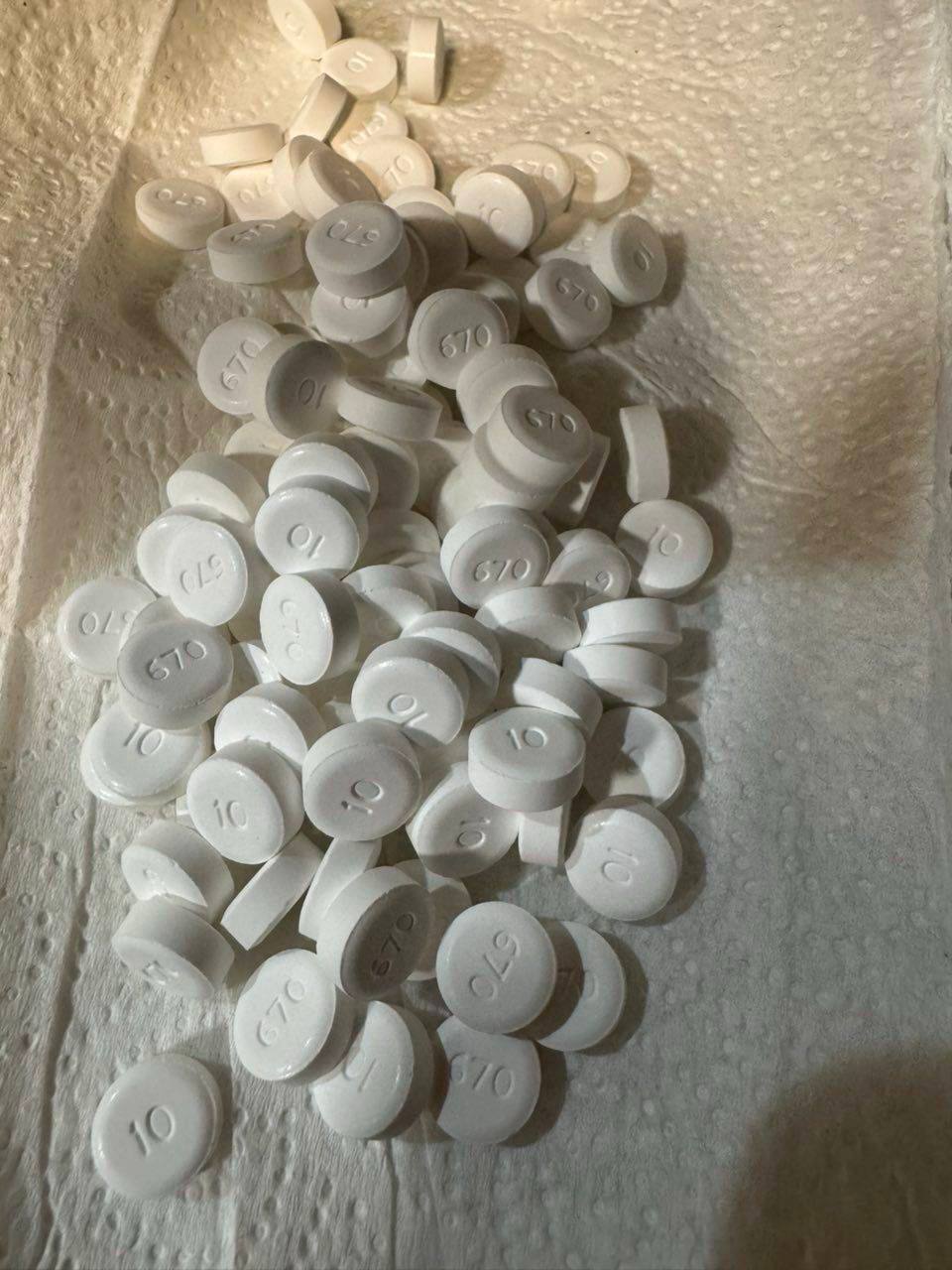
Oxymorphone (hydrochloride


Price range: $250.00 through $1,500.00
Oxymorphone is a semi-synthetic opioid analgesic indicated for the management of moderate to severe acute and chronic pain in opioid-tolerant patients. It is a Schedule II controlled substance with high potential for abuse, addiction, and respiratory depression.
Drug Class: Semi-synthetic opioid analgesic (phenanthrene derivative).
Chemical Structure: Oxymorphone is a derivative of thebaine and is structurally related to morphine, hydromorphone, and oxycodone. It is the active metabolite of oxycodone and is also produced synthetically.
Mechanism of Action: Oxymorphone is a potent mu-opioid receptor (MOR) agonist. By binding to and activating mu-opioid receptors in the central nervous system, it inhibits ascending pain pathways, alters pain perception, and produces analgesia, sedation, and euphoria. It has no known ceiling effect for analgesia, meaning higher doses produce increasing pain relief but also increasing risk of respiratory depression.
Potency: Oxymorphone is approximately 3 to 5 times more potent than morphine and 2 to 3 times more potent than oxycodone on a milligram basis.
Indications:
-
Management of moderate to severe acute pain requiring intravenous or intramuscular administration (injectable form)
-
Management of moderate to severe chronic pain in opioid-tolerant patients (extended-release tablets)
-
Preoperative and postoperative analgesia
-
Obstetric analgesia (limited use)
Available Formulations:
-
Extended-release tablets (Opana ER) – for around-the-clock chronic pain
-
Immediate-release tablets (Opana) – discontinued in many markets
-
Injectable solution – for hospital use
Bioavailability: Oral bioavailability is relatively low (approximately 10%) due to first-pass metabolism. This makes it less efficient orally compared to oxycodone. The extended-release formulation uses a matrix system designed to resist crushing and dissolution.
Metabolism: Primarily metabolized in the liver via glucuronidation (UGT2B7) to oxymorphone-3-glucuronide, with minor metabolism via CYP450 enzymes (CYP3A4, CYP3A5). It undergoes significant first-pass metabolism.
Contraindications:
-
Significant respiratory depression
-
Acute or severe bronchial asthma
-
Known or suspected gastrointestinal obstruction (including paralytic ileus)
-
Hypersensitivity to oxymorphone or any component
-
Concurrent use of MAO inhibitors or within 14 days
Black Box Warnings:
-
Addiction, Abuse, and Misuse – Oxymorphone exposes users to risks of addiction, abuse, and overdose even at recommended doses.
-
Life-Threatening Respiratory Depression – Serious, fatal respiratory depression can occur. Monitor closely, especially during initiation and dose titration.
-
Accidental Ingestion – Accidental ingestion of even one dose, especially in children, can be fatal.
-
Neonatal Opioid Withdrawal Syndrome (NOWS) – Prolonged use during pregnancy can result in life-threatening withdrawal in newborns.
-
Risks from Concomitant Use with Benzodiazepines or Other CNS Depressants – Concomitant use can cause profound sedation, respiratory depression, coma, and death.
Common Side Effects:
-
Constipation (very common)
-
Nausea and vomiting
-
Somnolence (drowsiness)
-
Dizziness
-
Headache
-
Pruritus (itching)
-
Sweating
-
Dry mouth
Serious Adverse Effects:
-
Respiratory depression (dose-related, potentially fatal)
-
Severe hypotension (low blood pressure)
-
Adrenal insufficiency
-
Serotonin syndrome (when combined with serotonergic drugs)
-
Opioid-induced hyperalgesia (increased pain sensitivity)
-
Androgen deficiency (low testosterone with long-term use)
Tolerance and Dependence:
-
Tolerance: Higher doses required over time to achieve same analgesic effect.
-
Physical dependence: Abrupt discontinuation causes withdrawal syndrome.
-
Addiction (Opioid Use Disorder): Characterized by compulsive use, loss of control, and continued use despite harm.
Withdrawal Symptoms:
-
Agitation, anxiety, insomnia
-
Yawning, tearing, runny nose
-
Sweating, chills, goosebumps
-
Muscle aches, bone pain
-
Nausea, vomiting, diarrhea
-
Dilated pupils, tachycardia, hypertension
Overdose Signs:
-
Pinpoint pupils (miosis)
-
Respiratory depression (slow, shallow, or stopped breathing)
-
Extreme somnolence or unresponsiveness
-
Cold, clammy skin
-
Cyanosis (blue lips/fingertips)
-
Bradycardia, hypotension
-
Coma
Overdose Treatment:
-
Naloxone (Narcan) – opioid antagonist, may require multiple doses due to oxymorphone’s duration
-
Emergency medical services (911 or local equivalent)
-
Rescue breathing and CPR
-
Supportive care
Drug Interactions (Major):
-
Benzodiazepines (alprazolam, diazepam, lorazepam): additive CNS depression, increased overdose risk
-
Alcohol: profound sedation, respiratory depression, death
-
Other opioids (morphine, oxycodone, fentanyl): additive effects, overdose risk
-
Muscle relaxants: increased sedation and respiratory depression
-
MAO inhibitors: potentially fatal reaction
-
CYP3A4 inhibitors (erythromycin, ketoconazole, grapefruit juice): increased oxymorphone levels
-
CYP3A4 inducers (rifampin, carbamazepine, St. John’s wort): decreased oxymorphone levels
Special Populations:
-
Pregnancy: May cause neonatal withdrawal syndrome; use only if benefit outweighs risk.
-
Breastfeeding: Not recommended – excreted in human milk.
-
Geriatric: Start with lower doses; increased sensitivity.
-
Renal impairment: Dose adjustment recommended.
-
Hepatic impairment: Significant dose reduction required.
Storage:
-
Store securely in a locked cabinet
-
Keep at room temperature (15-30°C / 59-86°F)
-
Protect from light and moisture
-
Keep out of reach of children
Disposal:
-
FDA recommends immediate flushing down toilet when no take-back option available
-
Alternatively, use authorized drug take-back program
| Quantity | 60 Pills, 100 Pills, 500 Pills |
|---|
Related products
Phytocannabinoids
Benzodiazepines

Opioid Analgesics
Antipsychotics
Opioid Analgesics

CNS Stimulants
Benzodiazepines
Controlled Stimulant