
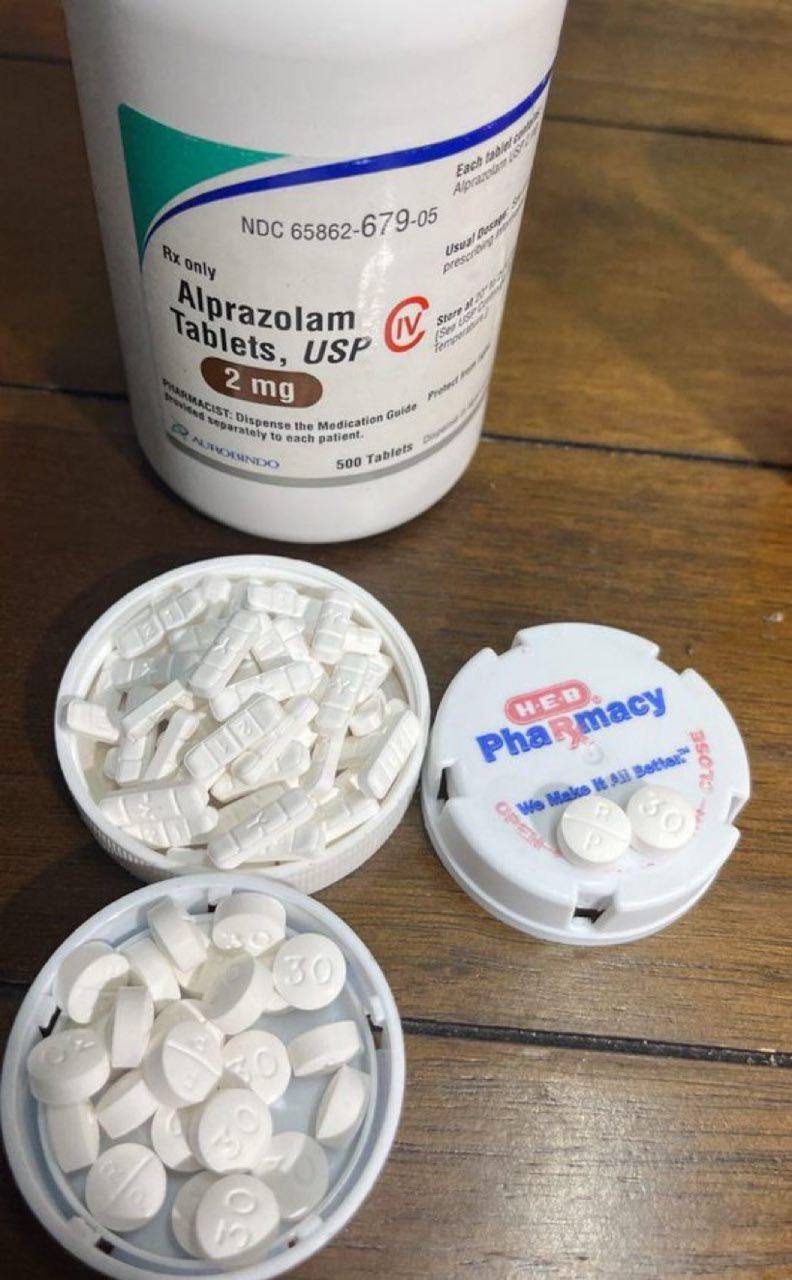
Alprazolam (Xanax)

Price range: $250.00 through $1,500.00
Alprazolam is a benzodiazepine indicated for the management of anxiety disorders, including generalized anxiety disorder (GAD) and panic disorder with or without agoraphobia. It is a Schedule IV controlled substance with potential for abuse, dependence, and withdrawal. This content is for educational purposes only.
Drug Class: Benzodiazepine (short-acting)
Brand Name: Xanax, Xanax XR (extended-release), generic Alprazolam
Mechanism of Action:
Alprazolam binds to benzodiazepine receptors (GABA-A receptors) in the central nervous system. This binding enhances the affinity of gamma-aminobutyric acid (GABA) for its receptor, which increases chloride channel opening frequency. The resulting hyperpolarization of neurons produces a calming effect on the brain and nervous system.
Indications:
-
Generalized Anxiety Disorder (GAD)
-
Panic Disorder with or without agoraphobia
-
Short-term relief of anxiety symptoms
-
Anxiety associated with depression (off-label in some contexts)
Available Formulations:
-
Immediate-release tablets: 0.25 mg, 0.5 mg, 1 mg, 2 mg
-
Extended-release tablets (Xanax XR): 0.5 mg, 1 mg, 2 mg, 3 mg
-
Orally disintegrating tablets (ODT)
-
Oral solution (concentrate)
Typical Dosage (Adults):
-
Generalized Anxiety Disorder: 0.25 mg to 0.5 mg three times daily, maximum 4 mg per day
-
Panic Disorder: Starting 0.5 mg to 1 mg once daily (XR) or 0.5 mg three times daily (IR), titrated up to 5-10 mg per day in some cases
-
Elderly or debilitated patients: Starting 0.25 mg two to three times daily
Duration of Action:
-
Immediate-release: Onset 30-60 minutes, duration 4-6 hours
-
Extended-release: Onset similar, duration up to 12 hours
Contraindications:
-
Hypersensitivity to alprazolam or any benzodiazepine
-
Narrow-angle glaucoma
-
Concurrent use with ketoconazole or itraconazole
-
Concurrent use with strong CYP3A4 inhibitors
-
Myasthenia gravis
-
Severe respiratory insufficiency
-
Sleep apnea syndrome
-
Severe hepatic impairment
Boxed Warnings (FDA):
-
Concomitant use with opioids: May result in profound sedation, respiratory depression, coma, and death. Reserve concomitant prescribing for patients with no alternative treatment options.
-
Abuse, misuse, and addiction: Benzodiazepines including Xanax can lead to abuse, misuse, addiction, and overdose.
-
Dependence and withdrawal: Physical dependence can occur. Abrupt discontinuation or rapid dose reduction can cause acute withdrawal reactions, including seizures and death.
-
Neonatal sedation and withdrawal syndrome: Use during pregnancy, especially in the third trimester, can cause neonatal sedation and withdrawal symptoms.
Common Side Effects:
-
Drowsiness and sedation (most common)
-
Fatigue
-
Dizziness
-
Lightheadedness
-
Dry mouth
-
Increased salivation
-
Headache
-
Blurred vision
-
Constipation or diarrhea
-
Nausea or vomiting
-
Changes in appetite and weight
-
Difficulty with coordination (ataxia)
-
Slurred speech (dysarthria)
Serious Side Effects:
-
Respiratory depression (especially with opioids or alcohol)
-
Severe hypotension (low blood pressure)
-
Memory impairment (anterograde amnesia)
-
Paradoxical reactions (agitation, aggression, hostility, rage, hallucinations) – more common in children and elderly
-
Suicidal ideation (in patients with depression)
-
Seizures (during withdrawal)
-
Prolonged QT interval (rare)
Tolerance, Dependence, and Withdrawal:
-
Tolerance: Reduced response to the same dose over time, requiring dose escalation for same effect.
-
Physical dependence: Adaptation of the body to the presence of the drug. Abrupt cessation causes withdrawal symptoms.
-
Psychological dependence (addiction): Compulsive use despite harm.
Withdrawal Symptoms (can occur within 24-48 hours of last dose):
-
Rebound anxiety (return of anxiety symptoms worse than before treatment)
-
Insomnia
-
Irritability and agitation
-
Tremors
-
Sweating
-
Tachycardia (rapid heart rate)
-
Panic attacks
-
Confusion
-
Seizures (grand mal seizures can occur)
-
Psychosis (rare)
Pregnancy:
-
FDA Pregnancy Category D (positive evidence of human fetal risk)
-
Third trimester use: Risk of neonatal sedation, hypotonia (floppy baby syndrome), and withdrawal syndrome
-
Breastfeeding: Alprazolam is excreted in breast milk. Use not recommended.
Drug Interactions (Major):
-
Opioids (oxycodone, hydrocodone, morphine, fentanyl): Additive CNS depression, profound sedation, respiratory depression, coma, death
-
Alcohol: Dangerous additive CNS depression, increased risk of overdose and death
-
Other benzodiazepines and sedatives: Additive effects
-
Antihistamines (diphenhydramine, hydroxyzine): Increased sedation
-
Antipsychotics, antidepressants, anticonvulsants: Additive CNS effects
-
CYP3A4 inhibitors (ketoconazole, itraconazole, fluconazole, erythromycin, clarithromycin, grapefruit juice): Increased alprazolam levels, prolonged effects
-
CYP3A4 inducers (rifampin, carbamazepine, phenytoin, St. John’s wort): Decreased alprazolam levels, reduced efficacy
-
Digoxin: Increased risk of digoxin toxicity
-
Oral contraceptives: May reduce alprazolam clearance
Overdose Signs:
-
Severe drowsiness and confusion
-
Slurred speech
-
Impaired coordination (ataxia)
-
Hypotension (low blood pressure)
-
Respiratory depression (slow or shallow breathing)
-
Coma
Overdose Treatment:
-
Activated charcoal if within 1-2 hours of ingestion
-
Flumazenil (benzodiazepine antagonist) – used cautiously due to risk of seizures, especially in chronic users
-
Respiratory support and monitoring
-
Symptomatic and supportive care
Note: Overdose with benzodiazepines alone rarely causes death, but combined with alcohol or opioids is frequently fatal.
Storage:
-
Store at room temperature (20-25°C / 68-77°F)
-
Protect from light and moisture
-
Keep in a secure, locked cabinet out of reach of children
-
Avoid storage in bathrooms
Disposal:
-
Use drug take-back programs where available
-
Do not flush unless specifically instructed by FDA or local guidelines
-
Do not dispose in household trash without proper mixing with undesirable substances (e.g., coffee grounds, cat litter)
Abuse Potential:
-
Schedule IV controlled substance – lower abuse potential than Schedule II opioids, but significant nonetheless
-
Commonly abused for its sedative, calming, and euphoric effects
-
Often combined with opioids or alcohol – dangerous and potentially fatal
-
Withdrawal seizures can occur with abrupt discontinuation after regular use
Safe Use Message for Education:
Alprazolam should be used exactly as prescribed, for the shortest duration necessary. It is not for long-term daily use unless other treatments have failed. Do not share with others. Do not drink alcohol. Do not take with opioids unless specifically directed by a physician. Do not stop abruptly without medical supervision.
| Quantity | 60 Pills, 100 Pills, 500 Pills |
|---|
Related products
CNS Stimulants
Gabapentinoids

Controlled Stimulant

Opioid Analgesics

CNS Stimulants

Opioid Analgesics

Erectile Dysfunction Treatment
Antipsychotics