
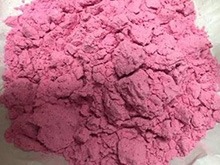
2-CB POWDER
Price range: $250.00 through $850.00
2C-B (4-bromo-2,5-dimethoxyphenethylamine) is a synthetic psychedelic drug belonging to the phenethylamine class, first synthesized by Alexander Shulgin in 1974. It produces a unique combination of stimulant, empathogenic, and hallucinogenic effects, often described as a hybrid between MDMA and LSD. 2C-B is a Schedule I/Class A controlled substance in most jurisdictions with no approved medical use. It is active at very low doses (10-25mg) with effects lasting 4-8 hours depending on route of administration. This content is for educational and awareness purposes only.
What is 2C-B?
2C-B (4-bromo-2,5-dimethoxyphenethylamine) is a synthetic psychedelic drug of the 2C family, a group of phenethylamine derivatives systematically explored by chemist Alexander Shulgin and documented in his book PiHKAL (Phenethylamines I Have Known and Loved). Shulgin first synthesized 2C-B in 1974, and it gained popularity in the 1980s and 1990s as a legal alternative to MDMA before being scheduled internationally in 1995.
The compound produces a complex pharmacological profile, often described as a “bridge” between MDMA (empathogenic) and LSD (psychedelic), offering tactile enhancement, emotional openness, colorful visuals, and mild stimulant effects.
Chemical Identifiers
| Property | Value |
|---|---|
| IUPAC Name | 4-bromo-2,5-dimethoxyphenethylamine |
| CAS Number | 66142-81-2 |
| Molecular Formula | C10H14BrNO2 |
| Molecular Weight | 260.13 g/mol |
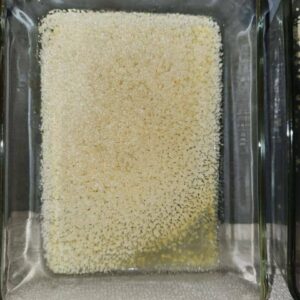
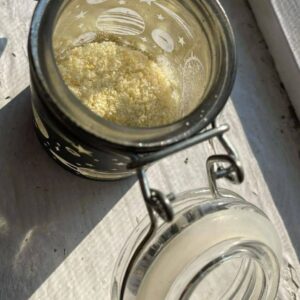
| Appearance | White to off-white powder or crystalline solid |
| Common forms | Powder, crystalline, pressed pills (usually 10-20mg) |
Street Names
- Bees
- Nexus
- Venus
- 2C-B
- Bro-mo-spectrum
- Toonies
- Spectrum
- Blue Mystic
Dosage Information (Educational Reference Only)
CRITICAL WARNING: 2C-B has a steep dose-response curve. Small increases in dose can lead to dramatically stronger effects. A milligram-accurate scale is absolutely essential.
| Dose Range | Oral (Ingested) | Insufflated (Snorted) |
|---|---|---|
| Threshold | 2-5 mg | 1-2 mg |
| Light | 5-10 mg | 2-5 mg |
| Common | 10-20 mg | 5-10 mg |
| Strong | 20-30 mg | 10-15 mg |
| Heavy | 30-40+ mg | 15-20+ mg |
Duration (Oral):
- Onset: 45-75 minutes
- Peak: 2-4 hours
- Total duration: 4-8 hours
Duration (Insufflated):
- Onset: 5-15 minutes
- Peak: 1-2 hours
- Total duration: 2-4 hours
- Note: Snorting 2C-B is known to cause significant nasal burning and irritation
Mechanism of Action
2C-B acts primarily as a serotonin 5-HT2A receptor agonist, which is the primary mechanism underlying its psychedelic effects. It also has affinity for 5-HT1A, 5-HT2B, 5-HT2C, and adrenergic receptors, contributing to its unique profile.
Unlike MDMA (which releases serotonin), 2C-B is a direct agonist at serotonin receptors without significant monoamine release. This may account for its lower neurotoxicity potential compared to MDMA, though research is limited.
Subjective Effects (Educational Description)
Physical Effects:
- Nausea (especially during come-up, more common with oral administration)
- Increased heart rate and mild blood pressure elevation
- Pupil dilation (mydriasis)
- Mild to moderate body temperature increase
- Tactile enhancement (sensations feel more intense)
- Gastrointestinal discomfort (stomach cramps, gas)
- Muscle tension or jaw clenching (milder than MDMA)
Psychological Effects:
- Visual effects: Brightening of colors, geometric patterns, trails, after-images, closed-eye visuals (less intense than LSD or DMT)
- Emotional effects: Euphoria, empathy, emotional openness (milder than MDMA)
- Cognitive effects: Enhanced appreciation of music and art, creative thinking, mild time distortion
- Empathogenic qualities: Increased sense of connection with others, reduced social anxiety
- Stimulant effects: Mild energy boost, talkativeness
Effects by Dose Range (Oral)
| Dose | Typical Experience |
|---|---|
| 5-10 mg | Mild mood lift, enhanced sensory perception, subtle visual changes, social lubrication |
| 10-15 mg | Moderate visuals (color enhancement, patterns), clear-headed euphoria, tactile enhancement, good balance of psychedelic and empathogenic effects |
| 15-20 mg | Strong visuals (geometric patterns, tracers), significant euphoria, music enhancement, mild ego softening |
| 20-25 mg | Intense visuals, time dilation, moderate ego dissolution, potential for challenging experiences |
| 30+ mg | Very intense, overwhelming for many users, significant confusion, ego dissolution, risk of difficult experience (“bad trip”) |
Health & Safety Risks
Acute Risks:
- Anxiety and panic: 2C-B can cause significant anxiety during come-up, especially at higher doses
- Overstimulation: Uncomfortable physical tension, racing thoughts, agitation
- Nausea/vomiting: Common during come-up, particularly with oral administration
- Hypertensive crisis: Rare at typical doses, but risk exists for individuals with pre-existing cardiovascular conditions
- Seizures: Extremely rare, but reported with very high doses or in susceptible individuals
- Psychosis: Can trigger acute psychosis in predisposed individuals (personal or family history of schizophrenia, bipolar disorder)
Long-term Risks:
- HPPD (Hallucinogen Persisting Perception Disorder): Rare but possible with frequent use — persistent visual disturbances (trails, visual snow) long after use
- Persistent psychosis: Extremely rare, primarily in individuals with underlying vulnerability
- Urinary retention: Some users report difficulty urinating during the experience
Nasal Complications (Insufflation):
- 2C-B is known to cause significant nasal burning and irritation when snorted
- Potential for nasal tissue damage with repeated use
- Nosebleeds reported
Drug Interactions
| Drug Class | Interaction | Risk Level |
|---|---|---|
| MAOIs | Dangerous potentiation, hypertensive crisis, serotonin syndrome | High |
| SSRIs/SNRIs | Diminished effects; theoretical serotonin syndrome risk | Moderate |
| Lithium | Increased risk of seizures and psychosis | High |
| MDMA | Additive effects, increased cardiovascular strain, potential for overstimulation | Moderate |
| Alcohol | Increased nausea, impaired judgment, dulled psychedelic effects | Low to Moderate |
Contraindications: Personal or family history of psychosis/schizophrenia, uncontrolled hypertension, severe cardiovascular disease, seizure disorders, pregnancy/breastfeeding.
Tolerance & Dependence
- Tolerance: Builds rapidly after a single use (like other psychedelics). Cross-tolerance with LSD, psilocybin, and mescaline. Tolerance returns to baseline after 7-14 days.
- Physical dependence: None — no withdrawal syndrome.
- Psychological dependence: Low — not considered addictive. Not associated with compulsive redosing behavior.
Legal Status
| Jurisdiction | Classification | Notes |
|---|---|---|
| United States (federal) | Schedule I | Illegal for possession, sale, distribution (since 1995) |
| United Kingdom | Class A | Up to 7 years imprisonment for possession |
| Canada | Schedule III | Illegal (analogue of controlled phenethylamines) |
| Germany | BtMG Anlage I | Illegal (no medical use) |
| Netherlands | Opium Law (List I) | Illegal (banned in 1997) |
History & Cultural Context
2C-B was first synthesized by Alexander Shulgin in 1974. In the 1980s and early 1990s, it was sold legally as a “legal alternative” to MDMA in smartshops in the Netherlands under the brand name “Nexus.” Following its international scheduling in 1995, it disappeared from legal markets but continued to be produced illicitly.
In recent years, 2C-B has seen a resurgence in popularity in club and festival scenes, particularly in Europe and parts of South America. It is often sold as powder (white to off-white) or pressed pills (often imprinted with logos).
Harm Reduction Information (Educational Only)
| Recommendation | Rationale |
|---|---|
| Test your substance | Reagent tests (Marquis, Mecke, Froehde) can identify 2C-B vs. NBOMes, DOx, or other adulterants |
| Use a milligram-accurate scale | 2C-B has a steep dose-response curve; 5mg can be the difference between mild and overwhelming effects |
| Start low (10mg oral) | Individual sensitivity varies significantly |
| Avoid redosing | Redosing can lead to unexpectedly intense effects due to variable absorption |
| Do not snort unless experienced | Insufflation causes significant nasal burning and shorter duration; dose is approximately half of oral dose |
| Have a sober trip sitter | User may experience confusion or anxiety; someone should be present to call for help if needed |
| Use in safe, calm environment | Familiar, comfortable setting reduces anxiety and risk of accidents |
| Avoid if personal/family history of psychosis | Risk of triggering long-term psychosis or schizophrenia |
Emergency Situations
When to call 911:
- Prolonged seizure (>2 minutes)
- Loss of consciousness or unresponsiveness
- Severe hypertension (signs: severe headache, vision changes, confusion, chest pain)
- Severe agitation or aggression (danger to self or others)
- Hyperthermia (dangerously high body temperature)
- Chest pain or difficulty breathing
- Signs of stroke (facial droop, arm weakness, speech difficulty)
Emergency Resources:
| Resource | Contact | Purpose |
|---|---|---|
| 911 / Emergency | 911 | Life-threatening emergency |
| Poison Control (US) | 1-800-222-1222 | Overdose guidance, unknown substance |
| Fireside Project | 6-2FIRESIDE (623-473-7433) | Bad trip support, integration, non-emergency |
Educational Summary
2C-B is a synthetic psychedelic phenethylamine with a unique combination of stimulant, empathogenic, and hallucinogenic effects. It was first synthesized by Alexander Shulgin in 1974 and became popular in the 1980s-90s as a legal alternative to MDMA. It is a Schedule I/Class A controlled substance in most jurisdictions with no approved medical use. Active doses range from 5-25mg orally (2-15mg insufflated), with effects lasting 4-8 hours. The compound has a steep dose-response curve — small increases in dose can lead to dramatically stronger effects. A milligram-accurate scale is essential. Psychological risks include anxiety, panic, and psychosis (in predisposed individuals). Physical risks are generally low at standard doses but include nausea, increased heart rate, and potential for hypertensive crisis. Harm reduction: test substances, use milligram scale, start low (10mg), have sober trip sitter, avoid redosing, avoid if personal/family history of psychosis.
Note: This information is for educational and awareness purposes only. 2C-B is a Schedule I/Class A controlled substance with no accepted medical use. It is illegal to possess, sell, or distribute. Nothing here is medical advice or an endorsement of use. If you or someone you know is experiencing a medical emergency, call 911 immediately. If you need help for substance use, contact SAMHSA at 1-800-662-4357.
| Quantity (grams) | 10g, 20g, 40g |
|---|
Related products
CANNABINOID
Controlled Stimulant
CNS Stimulants
STEROIDS POWDER
Benzodiazepines
Barbiturates
Psychedelics
Psychedelics