
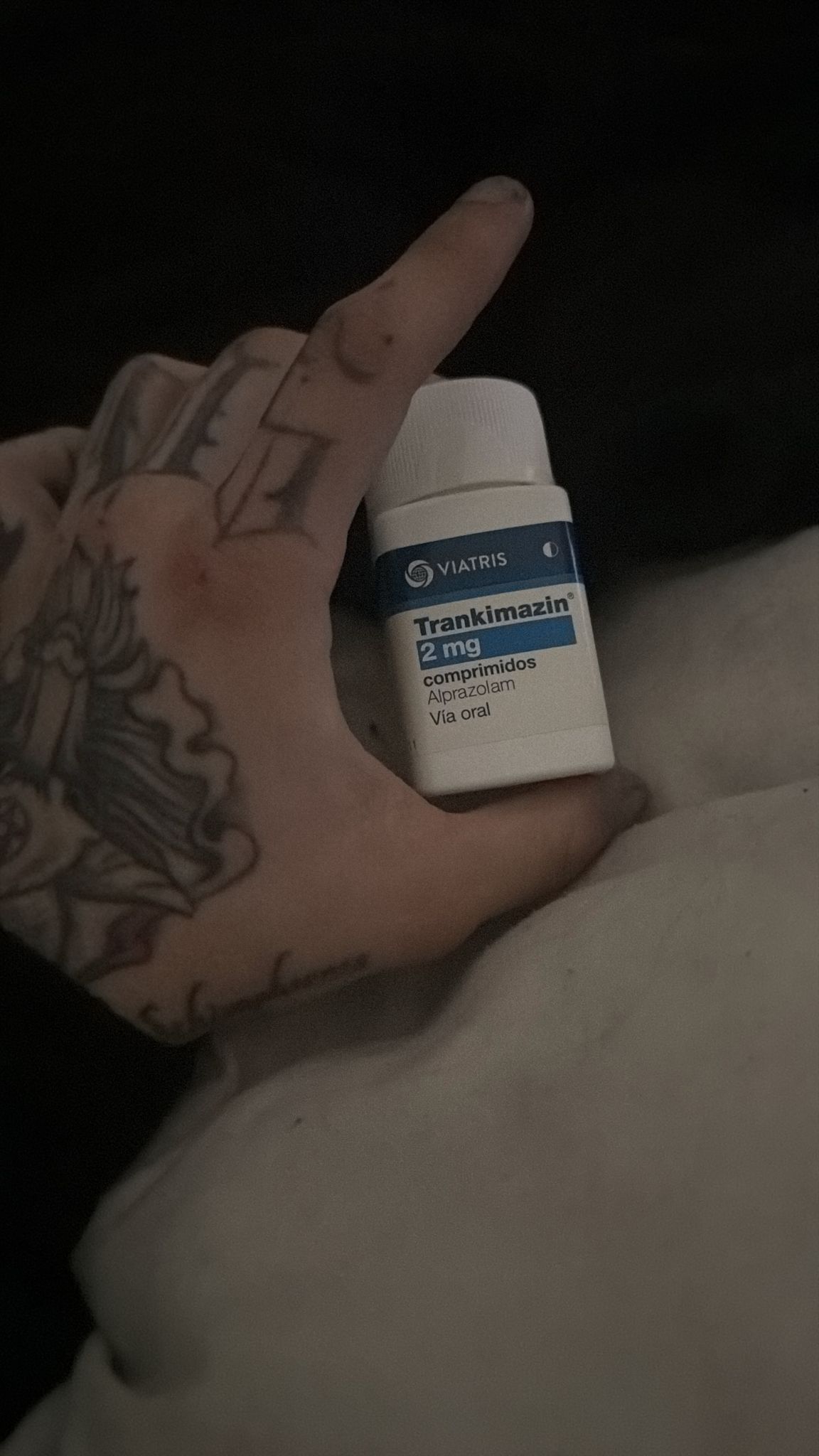
Trakimazin (Trifluoperazine hydrochloride)
Price range: $260.00 through $500.00
Trakimazin (Trifluoperazine) is a phenothiazine antipsychotic used primarily for the management of schizophrenia and other psychotic disorders. It is also indicated for the short-term treatment of generalized anxiety disorder.
Drug Class: Phenothiazine antipsychotic (typical antipsychotic)
Mechanism of Action: Trifluoperazine blocks postsynaptic dopamine D1 and D2 receptors in the mesolimbic and mesocortical pathways of the central nervous system. This dopamine antagonism is responsible for its antipsychotic effects.
Indications:
-
Schizophrenia and other psychotic disorders
-
Short-term treatment of generalized anxiety disorder (resistant to other treatments)
-
Non-psychotic anxiety (short-term, off-label in some countries)
Dosage Forms: Tablets: 1 mg, 2 mg, 5 mg
Typical Dosage (adults):
-
Schizophrenia: 2-5 mg twice daily, gradually increased up to 15-20 mg daily
-
Anxiety: 1-2 mg twice daily, maximum 6 mg daily
Contraindications:
-
Hypersensitivity to phenothiazines
-
Coma or severe CNS depression
-
Bone marrow suppression
-
Pheochromocytoma
-
Concomitant use with large doses of CNS depressants
Common Side Effects:
-
Extrapyramidal symptoms (tremor, rigidity, akathisia, dystonia)
-
Drowsiness, dizziness
-
Dry mouth, blurred vision
-
Constipation, urinary retention
-
Tardive dyskinesia (with long-term use)
Serious Warnings:
-
Neuroleptic Malignant Syndrome (NMS) – medical emergency
-
Tardive dyskinesia – potentially irreversible
-
Prolonged QT interval
-
Seizure threshold reduction
-
Agranulocytosis (rare but serious)
Pregnancy: Category C – use only if benefit outweighs risk
Breastfeeding: Not recommended – excreted in human milk
Interactions:
-
CNS depressants (alcohol, benzodiazepines, opioids) – increased sedation
-
Anticholinergic drugs – increased anticholinergic effects
-
Lithium – increased risk of extrapyramidal symptoms
-
Levodopa – antagonized effects
Storage: Store below 25°C, protect from light, keep out of reach of children
[Copy]
Drug Class: Phenothiazine antipsychotic (typical antipsychotic)
Mechanism of Action: Trifluoperazine blocks postsynaptic dopamine D1 and D2 receptors in the mesolimbic and mesocortical pathways of the central nervous system. This dopamine antagonism is responsible for its antipsychotic effects.
Indications:
-
Schizophrenia and other psychotic disorders
-
Short-term treatment of generalized anxiety disorder (resistant to other treatments)
-
Non-psychotic anxiety (short-term, off-label in some countries)
Dosage Forms: Tablets: 1 mg, 2 mg, 5 mg
Typical Dosage (adults):
-
Schizophrenia: 2-5 mg twice daily, gradually increased up to 15-20 mg daily
-
Anxiety: 1-2 mg twice daily, maximum 6 mg daily
Contraindications:
-
Hypersensitivity to phenothiazines
-
Coma or severe CNS depression
-
Bone marrow suppression
-
Pheochromocytoma
-
Concomitant use with large doses of CNS depressants
Common Side Effects:
-
Extrapyramidal symptoms (tremor, rigidity, akathisia, dystonia)
-
Drowsiness, dizziness
-
Dry mouth, blurred vision
-
Constipation, urinary retention
-
Tardive dyskinesia (with long-term use)
Serious Warnings:
-
Neuroleptic Malignant Syndrome (NMS) – medical emergency
-
Tardive dyskinesia – potentially irreversible
-
Prolonged QT interval
-
Seizure threshold reduction
-
Agranulocytosis (rare but serious)
Pregnancy: Category C – use only if benefit outweighs risk
Breastfeeding: Not recommended – excreted in human milk
Interactions:
-
CNS depressants (alcohol, benzodiazepines, opioids) – increased sedation
-
Anticholinergic drugs – increased anticholinergic effects
-
Lithium – increased risk of extrapyramidal symptoms
-
Levodopa – antagonized effects
Storage: Store below 25°C, protect from light, keep out of reach of children
| Quantity | 60 Pills, 100 Pills, 500 Pills |
|---|
Related products
Benzodiazepines
Cough & Cold / Antitussives (Prescription Only